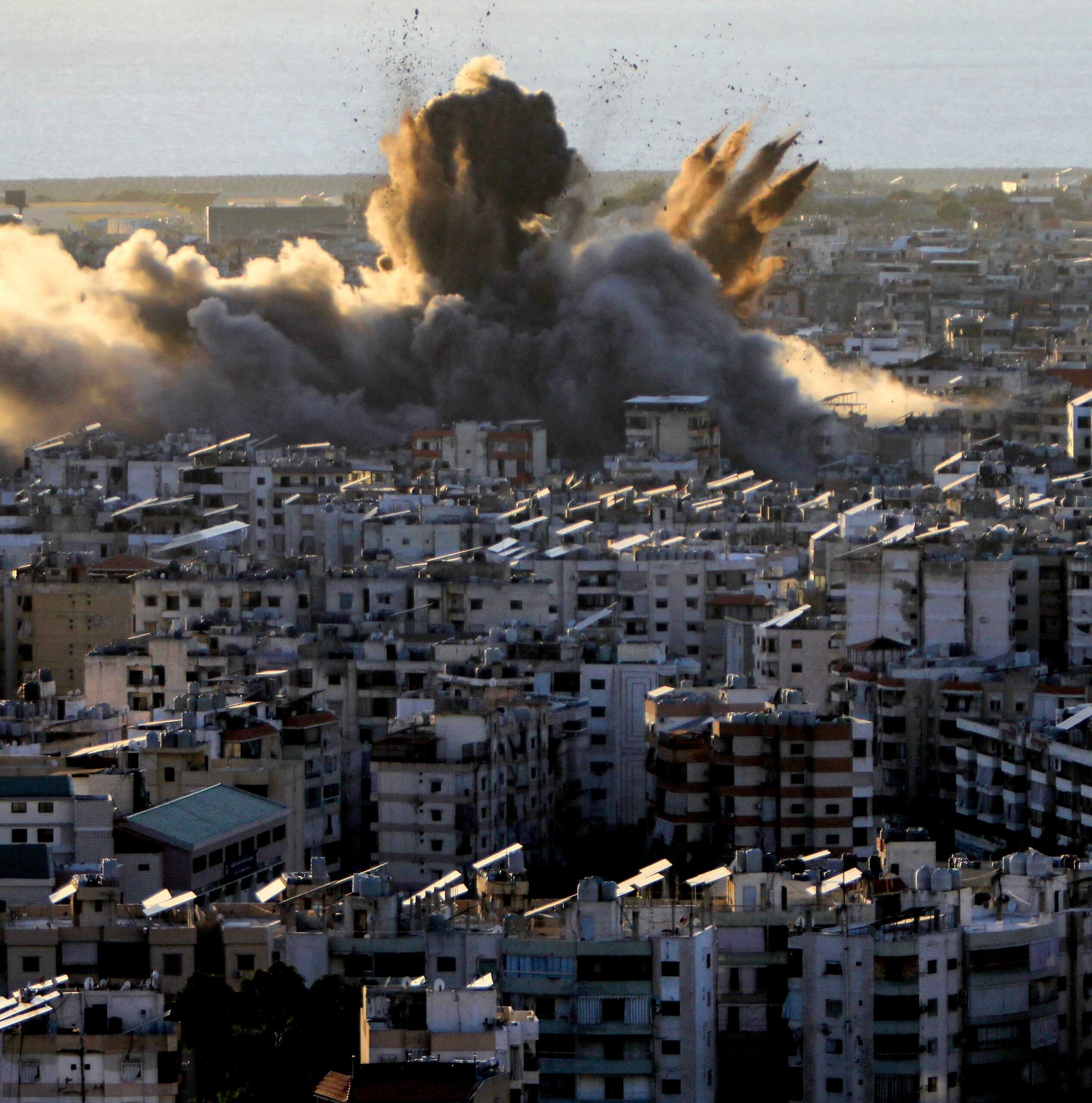
There’s a particular kind of statement that governments issue when they want to say something without really saying anything. India’s foreign ministry delivered one of those on Friday.Two days after what Lebanese authorities are calling the deadliest single day of Israeli bombardment in this war — over 300 people killed, more than 1,100 injured, across strikes that reportedly hit over 100 targets in the span of just ten minutes — New Delhi finally weighed in.
The Ministry of External Affairs spokesperson Randhir Jaiswal, speaking at an inter-ministerial briefing on West Asia, said India was “deeply concerned” by the reports of civilian casualties and called the direction of events “very disturbing.”Diplomatically measured. Carefully neutral. And for many watching from the region, frustratingly familiar.A Nation With Skin in the GameWhat makes India’s statement more than just boilerplate is the context behind it. India isn’t just a distant observer wringing its hands from the sidelines. It contributes troops to UNIFIL — the United Nations Interim Force in Lebanon — a peacekeeping mission that has been increasingly endangered as the conflict intensifies. Earlier this month, India had already condemned attacks on UN peacekeepers in southern Lebanon following the deaths of two Indonesian Blue Helmets.Jaiswal didn’t let that go unmentioned. India, he noted, is “invested in Lebanon’s peace and security” precisely because of this troop commitment. That’s not just rhetoric — Indian soldiers are physically present in a conflict zone that is growing more volatile by the day.On top of that, approximately 1,000 Indian nationals are currently living in Lebanon. The Indian Embassy in Beirut, Jaiswal confirmed, is in active contact with the community. For those families back home watching the news, that detail matters far more than any diplomatic phrasing.The Awkward Balancing ActHere’s where things get complicated for New Delhi.India and Israel have developed notably close ties over the past decade — defence cooperation, intelligence sharing, trade. Prime Minister Narendra Modi visited Israel just days before this latest round of conflict erupted. That relationship isn’t something India can simply set aside with a press statement.At the same time, India has long positioned itself as a voice for the Global South, a champion of international law and the sovereign rights of smaller nations. Remaining silent — or appearing to — while a country is being pounded from the air doesn’t sit well with that image.
Friday’s statement tried to thread that needle. The MEA reiterated that “the protection of civilians” is the foremost priority and that “observing international law, and respecting sovereignty and territorial integrity of states is essential.” Notably, Israel was not named directly.What’s Actually Happening on the GroundThe broader picture in West Asia right now is genuinely chaotic. Israel launched its ground invasion of Lebanon last month, targeting Hezbollah after the group began firing into Israeli territory in support of Iran. A two-week ceasefire was announced between the United States and Iran — but Israeli Prime Minister Benjamin Netanyahu made it plain that no such ceasefire applies to Lebanon. His words were blunt: “There is no ceasefire in Lebanon. We are continuing to strike Hezbollah with full force.”Iran insists the ceasefire should cover Lebanon too, and has threatened consequences if Israeli strikes don’t stop. The US and Israel dispute that interpretation. In this fog of conflicting claims, Lebanese civilians are the ones paying the price.Israel’s ambassador to India, Reuven Azar, has maintained that Israel is acting in self-defence, arguing that Hezbollah violated previous commitments by operating in southern Lebanon and that the Lebanese government failed to disarm the group as agreed.Reading Between the LinesIndia’s statement on Friday is unlikely to shift anything on the ground. But it signals something worth noting — that even countries with strong bilateral ties to Israel are finding it harder to stay quiet as the civilian toll mounts. The language was restrained, yes. But the fact that an inter-ministerial briefing was convened specifically to address the West Asia crisis suggests New Delhi is watching this situation closely and is aware that its own interests — its peacekeepers, its nationals, its diplomatic reputation — are all on the line.Whether words will eventually give way to a firmer position remains to be seen. For now, India has said what it needed to say, in the way governments often do: just enough to be on record, not enough to upset anyone too much.The civilians of Lebanon, of course, don’t have the luxury of diplomatic hedging.