
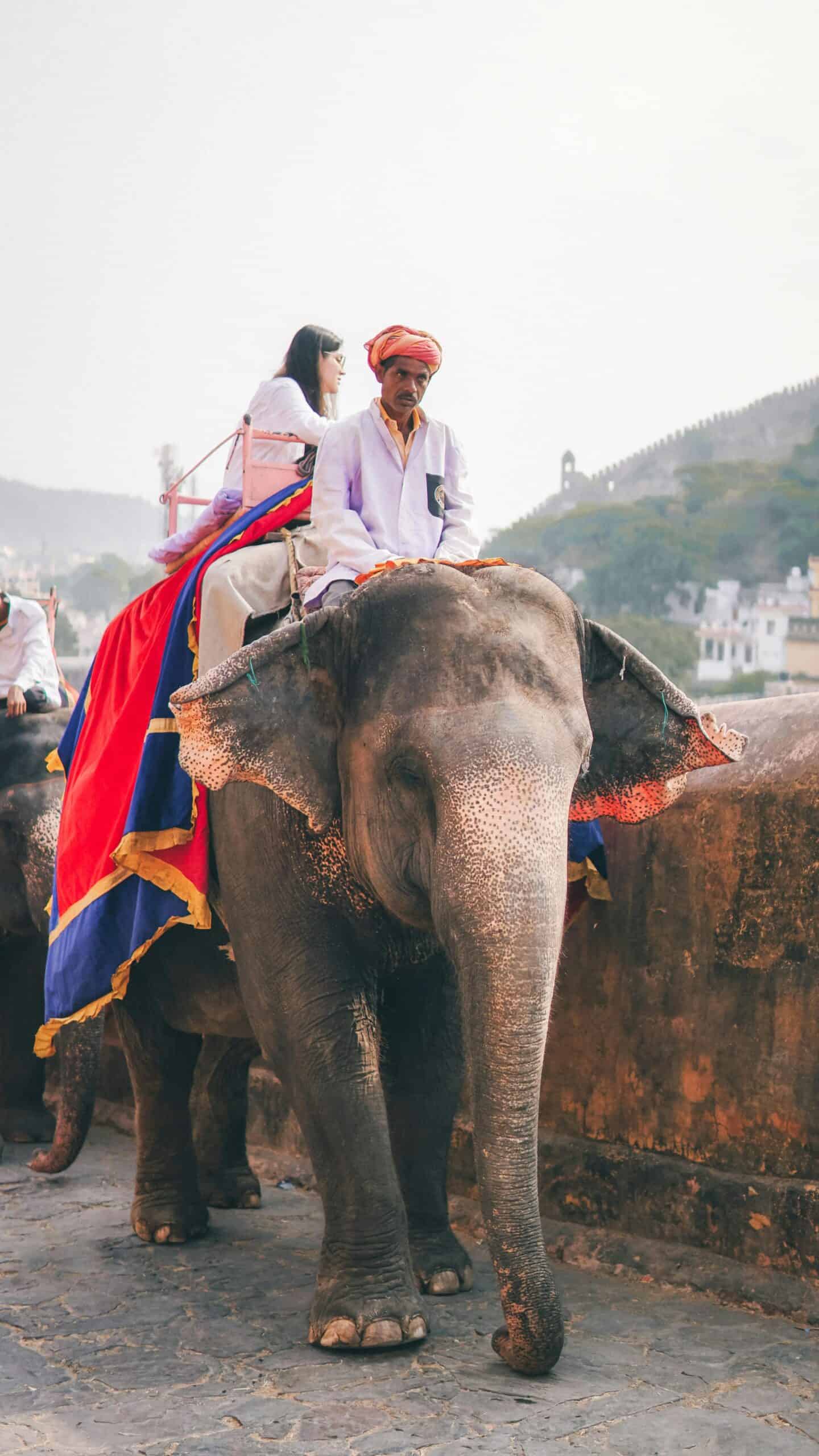
India’s travel and tourism sector is experiencing remarkable growth, surging past pre-pandemic levels and establishing the nation as a significant force in global tourism. The market is projected to grow from approximately USD 78.35 billion in 2026 to an estimated USD 132 billion by 2032, reflecting a steady compound annual growth rate (CAGR) of around 7.74% PR Newswiremice showcase.
This dynamic expansion isn’t occurring in isolation—it’s fueled by a powerful combination of robust domestic demand, shifting geopolitical realities, strategic infrastructure investments, and evolving traveler preferences that together are fundamentally reshaping India’s economic landscape.
Geopolitical Disruptions Redirect Travel Demand Homeward
India’s domestic travel market has experienced an unprecedented surge, accelerated by global geopolitical developments that have disrupted international travel patterns. The Middle East airspace closures in March 2026 have forced long-haul reroutes, increasing fuel costs and disruption, with vast swaths of regional airspace closed or emptied as conflict escalated in Iran with knock-on effects across the Middle East AirlinesCNN.
At least 462 flights were cancelled and 3,621 delayed across Japan, China, Thailand, India, and Qatar as of March 23, 2026, with Shanghai, Delhi, Jakarta, and Dubai identified as primary bottlenecks Air Traveler Club. India’s three largest international gateways—Mumbai, Delhi and Bengaluru—saw 175 inbound and outbound flights abruptly cancelled on March 6 when several Gulf air-corridors closed following escalating hostilities VisaHQ.
These disruptions inadvertently pushed substantial demand toward domestic destinations. Thrillophilia, one of India’s largest multi-day tour operators, reported a 61% year-on-year rise in domestic tour searches in the first half of March, with confirmed multi-day domestic bookings up 48% The TribuneBusiness Standard.
Destination-Specific Surge:
In the 72 hours after February 28, Thrillophilia recorded dramatic changes in domestic destination searches: Kashmir surged 312%, Ladakh increased 278%, North East India rose 224%, and Goa climbed 89%—numbers usually seen during India’s festival season, not mid-March Business StandardIndia’s News.
The shift represents more than mere cost considerations. Average spend on domestic multi-day tours reached ₹78,000—up 22% year-on-year. Trip durations extended from an average of 6.2 nights to 8.4, while bookings in higher hotel categories rose 38% Up18 News. Travelers who had budgeted for Europe are now booking boutique camps in Ladakh or private backwater cruises in Kerala.
Hill stations across India are experiencing heightened demand as rising temperatures nudge travelers toward cooler, nature-based getaways, reflecting a broader shift in leisure travel preferences toward experience-driven, climate-appropriate destinations.
Infrastructure and Policy Create Foundation for Growth
The sustained expansion across India’s travel sectors stems from concerted efforts by government and industry stakeholders. Government initiatives focus sharply on robust investments in tourism infrastructure—from new airports and improved highways to enhanced hospitality services—developments critical for boosting connectivity and capacity nationwide.
The Ministry of Tourism continues playing a proactive role, recently releasing Monthly Summaries for the Month of January 2026 and December 2025 detailing industry performance Ministry of TourismMinistry of Tourism. The Ministry also actively seeks public feedback, inviting comments from stakeholders for amendments to Recruitment Rules for posts like Jt. DG, demonstrating commitment to administrative efficiency and sector development Ministry of Tourism.
National Tourism Awards:
The Ministry of Tourism runs a scheme under which National Tourism Awards are given to Travel Agents and Tour Operators including categories like best Adventure Tour Operator, best Domestic Tour Operator, most Innovative Tour Operator, Best MICE Operator, Tourist Transport Operator, and best Hotels in different categories Ministry of Tourism.
India’s inherent strengths are highlighted by its impressive rankings in natural resources (ranked 14th) and cultural resources and business travel (ranked 8th) according to the World Economic Forum’s Travel and Tourism Competitiveness Index Business StandardWikipedia. These fundamental advantages, combined with strategic policy initiatives, position India favorably for sustained tourism growth.
Domestic Market Dominates with Premium Growth
Leisure travel dominates the India market, accounting for approximately 85% of the total share, driven by rising consumer spending on vacations, supported by increasing disposable incomes and a growing preference for experience-oriented travel Yahoo!PR Newswire.
Thrillophilia’s booking data shows a deep structural shift in how Indian travellers have evolved—the geopolitical trigger merely accelerated a trend already well underway Thrillophilia. The 2026 domestic travel surge demonstrates that more Indians now choose to explore within the country by preference, not just by circumstance.
Key Domestic Drivers:
- Improved infrastructure and better connectivity making previously remote destinations accessible
- Rising middle-class purchasing power enabling more frequent travel
- Premium accommodation supply in nature destinations growing 40%+ between 2022-2025
- Maturing travel culture where domestic India is experienced as extraordinary rather than compromise
Indians Increasingly Look to Short-Haul International Destinations
While domestic tourism thrives, Indian travelers are also casting their eyes beyond national borders, often opting for convenient short-haul international destinations. Southeast Asian countries—Thailand, Malaysia, Maldives, and Sri Lanka—have become prime choices, drawing millions of Indian tourists in 2026.
These destinations offer an enticing combination: visa-free or simplified visa access, diverse cultural experiences, competitive pricing, and convenient connectivity. The appeal of these closer, hassle-free options intensifies as geopolitical crises make longer, more expensive international routes riskier or less viable.
This trend highlights a broader shift: Indian travelers actively seek accessible international experiences. The combination of geographic proximity, cultural diversity, and streamlined entry requirements positions Southeast Asia ideally for India’s outbound travel growth.
Market Outlook and Future Trajectory
The surge is fueled by strong demand across both leisure and business travel segments, with increasing urbanization, a growing middle-class population, and improved connectivity encouraging more Indians to travel frequently, both domestically and internationally Nomad Lawyermice showcase.
Government initiatives aimed at improving tourism infrastructure, enhancing connectivity, and promoting India as a global travel destination are contributing to the sector’s upward trajectory, with investments in airports, highways, and hospitality infrastructure making travel more convenient and efficient Nomad Lawyer.
The India travel booking market is primarily driven by significant surge in leisure travel demand, supported by evolving consumer lifestyles and rising disposable incomes, with travelers increasingly prioritizing experiences over material spending PR Newswire.
Looking Forward:
The convergence of improved infrastructure, strategic government initiatives, and evolving traveler preferences creates a vibrant picture for India’s travel sector. As the nation continues investing in its tourism potential and adapting to global dynamics, India isn’t merely experiencing a travel boom—it’s firmly establishing itself as a truly global travel destination, not only for its own citizens but for the world at large.
“The 2026 summer season could be the point when domestic travel becomes a preferred choice for Indian travellers, not just a backup option. Better infrastructure, ready destinations, and clear price advantages are driving this change,” according to Thrillophilia’s March 2026 analysis Thrillophilia.


how tadalafil moves through the body
how tadalafil moves through the body