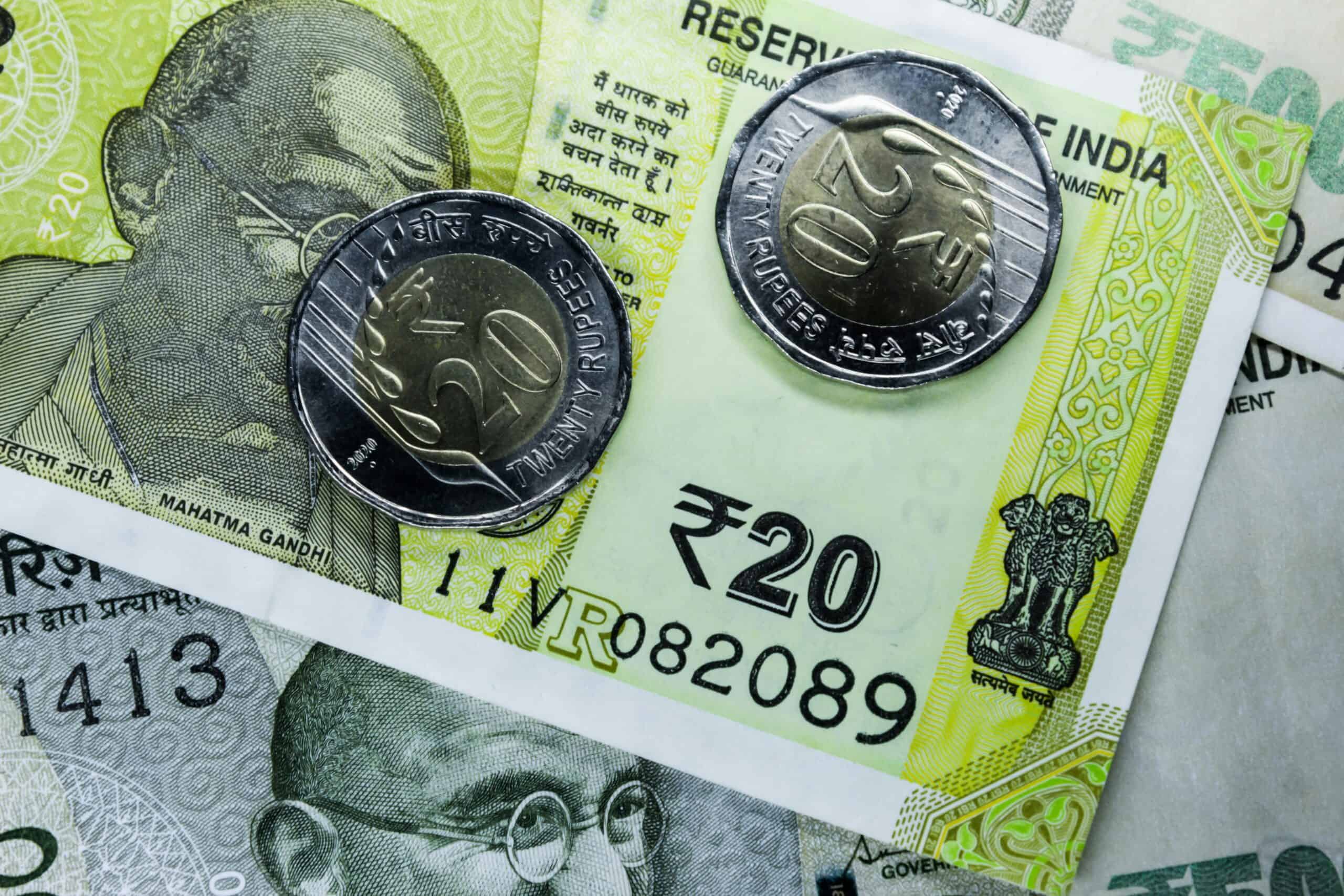
Mumbai, April 6: At first glance, the Indian rupee’s performance on Monday appeared uneventful. The currency barely moved against the US dollar, holding steady near recent levels. But beneath that calm surface lies a far more complex and uneasy story about India’s financial markets.
Currency stability is often seen as a sign of strength. Yet, in this case, analysts say the rupee’s flat movement reflects a tug-of-war between competing forces rather than genuine confidence.
📉 Why the Rupee Looks Stable but Isn’t.
Market participants suggest that the rupee’s lack of movement is not due to strong fundamentals, but rather the result of offsetting pressures. On one side, exporters and traders have been selling dollars after recent volatility. On the other, importers are aggressively locking in future exchange rates to protect themselves from potential shocks.
This balancing act is keeping the currency range-bound — but it also signals caution, not comfort.
🛢️ Importers Are Driving Market Behavior
One of the biggest drivers behind this behavior is India’s dependence on imports, especially energy. With global uncertainty rising, businesses are rushing to hedge against possible spikes in oil prices or currency swings.
This surge in hedging activity is not a routine move — it reflects growing anxiety among companies that rely on foreign currency payments. When businesses hedge aggressively, it usually means they expect turbulence ahead.
🏦 RBI’s Tightrope Walk
The Reserve Bank of India (RBI) now finds itself in a delicate position. Recent steps to curb speculative trading in the currency market have helped stabilize the rupee temporarily. However, these measures have also led to unintended consequences, including reduced liquidity and unusual movements in derivative markets.
The central bank’s upcoming policy decision is being closely watched. Investors are less concerned about interest rates and more focused on how the RBI plans to manage volatility without choking market activity.
🌍 Global Risks Adding Fuel
Beyond domestic factors, global tensions are casting a long shadow. Renewed uncertainty in the Middle East — particularly around the Strait of Hormuz — has raised concerns about oil supply disruptions. Any escalation could directly impact India, one of the world’s largest oil importers.
Recent statements from Donald Trump have added to the uncertainty, even as hopes of de-escalation provide temporary relief to global markets.
📊 A Market Driven by Fear, Not Fundamentals
What stands out most in the current scenario is that market movements are increasingly being driven by short-term flows and risk management strategies rather than long-term economic indicators.
This shift makes the rupee more vulnerable to sudden swings. A stable exchange rate today does not guarantee stability tomorrow — especially when global and domestic risks remain elevated.
🔮 What Happens Next?
For now, the rupee may continue to trade in a narrow range. But analysts warn that this calm could be deceptive. Much will depend on:
- The RBI’s policy tone
- Global geopolitical developments
- Oil price movements
- Foreign investor sentiment
In other words, the current stability is less a sign of strength and more a pause before the next move.
According to global financial trends reported by Reuters, currency movements remain volatile.